Hair Henna
Henna for Hair: Benefits & Risks
What henna actually does to hair, the results you can expect from your own starting colour, why it is so permanent, who it suits, and the line between pure and compound henna.
Henna for hair is one of the oldest colouring methods still in everyday use, and it behaves nothing like the box dye on a supermarket shelf. It does not lift your natural colour, it does not open the hair with ammonia, and it will not turn dark hair blonde. What it does is coat each strand and stain it with a single reddish dye molecule, lawsone, which bonds to the keratin in your hair much the way a henna tattoo bonds to skin. That gives real benefits, real limits, and a level of permanence most people underestimate. This is an honest, evidence-aware look at what henna actually does to hair, what result you can expect from your own starting colour, who it suits, and where the genuine risks are.
The short version
- Henna stains, it does not lift. Lawsone deposits a reddish tone over your existing colour, so results depend entirely on where you start.
- It coats and strengthens. The dye binds to the outside of the shaft, which can add shine, body and a little resilience.
- Pure henna is only red. Browns and blacks need indigo or other plants added. On its own it cannot go cool, ashy or blonde.
- It is close to permanent. The bond does not wash out, is very hard to lift, and grows out rather than fades cleanly.
- Buy body-quality henna only. Avoid "compound" or "black henna" hair products that hide PPD and metallic salts.
What henna actually does to hair
Henna is a paste made from the dried, crushed leaves of the henna plant. Those leaves carry a red-orange dye called lawsone, and lawsone is the whole story. When you leave henna paste on hair, the lawsone gradually migrates out of the paste and bonds to keratin, the fibrous protein that hair is built from. The reaction is the same chemical link, a Michael addition, that gives a henna skin stain its staying power. If you want the full molecular version of that reaction, we cover it in our explainer on henna stain science.
The practical result is that henna works from the outside in. Chemical permanent dye swells the hair, lifts the cuticle and drops pigment deep into the cortex. Henna does not do that. It wraps around and stains the outer layers of the shaft, building up a translucent reddish film that sits over your natural colour rather than replacing it. Because it coats rather than strips, henna is one of the few colourants that can leave hair feeling thicker and shinier instead of drier, and repeated use tends to deepen the tone in layers over successive applications.
Henna wraps and stains the outside of the strand; chemical permanent dye opens the cuticle and deposits pigment inside. That single difference explains almost every benefit and every limit below.
The real benefits of henna hair colour
Set against the hype, the genuine upsides of natural henna are worth having, provided you want what it actually offers. Each of these comes directly from the coating chemistry rather than from marketing.
Shine and body
The lawsone film smooths and slightly thickens each strand, so hair often reflects more light and feels fuller after a treatment.
A little resilience
Coating the cuticle can make hair sit flatter and behave better, which many people read as reduced frizz and stronger-feeling ends.
Plant-based, no ammonia
Pure body-art henna contains no ammonia, peroxide or developer, so there is no lifting step and no chemical smell.
Builds over time
Because it deposits in layers, colour deepens with repeat use and touch-ups blend into growth instead of leaving a hard line.
Warm, natural tone
On most hair it reads as a living, multi-tonal red rather than a flat block, catching light differently across the head.
Low cost
A bag of quality powder costs little and colours several times over, which makes it cheap per application compared with salon work.
A fair note on the strength claim: henna will not repair damaged hair, and it is not a protein treatment. What it does is coat, and a coated strand simply behaves better than a bare one. That is a real, useful effect, but it is cosmetic conditioning of the surface, not structural repair from within.
Realistic results by starting hair colour
This is where most disappointment comes from. Because henna is a translucent stain and not an opaque dye, the colour you end up with is your natural colour seen through a red filter. The lighter you start, the more obvious the red; the darker you start, the more subtle it is. Nobody goes lighter, and nobody gets a cool or ashy result from pure henna.
| Starting hair | Likely result with pure henna | How visible |
|---|---|---|
| Pale blonde / grey / white | Bright copper to orange-red | Very strong, most dramatic shift |
| Light to mid blonde | Warm copper red | Strong and obvious |
| Light brown | Rich auburn / red-brown | Clear in sunlight, warm indoors |
| Mid to dark brown | Reddish sheen over brown | Subtle, mostly a warm glint in light |
| Black | Faint red tint in bright light only | Barely visible, adds shine more than colour |
Two things follow from this table. First, greys and whites take henna hardest and brightest, which is why people covering grey often see a vivid copper on those strands and a softer tone on the rest, giving a natural highlighted effect. Second, if you have dark hair and are hoping for a visible red, pure henna will mostly give you shine and a hint of warmth, not the bold colour you may have seen on lighter models.
How strongly the red reads, by starting colour
Same paste, same timing. The lighter the base, the more the copper shows through.
Why henna is so permanent, and hard to lift
People often assume a "natural" colour must be gentle and temporary. Henna is the opposite. A conventional semi-permanent dye simply wedges pigment under the cuticle and washes out over a few shampoos, as the general overview of hair coloring explains. Henna forms an actual chemical bond with the keratin, so it does not rinse away. It stays until the hair itself grows out or is cut off.
That permanence cuts both ways. It means low maintenance and no rapid fade, but it also means henna is genuinely difficult to remove. It resists ordinary colour removers, and because the molecule is bonded rather than sitting loose, it does not lift cleanly with bleach either. Worse, bleaching henna-coated hair can turn it unpredictable shades, sometimes green or brassy orange, because you are lifting your own pigment out from under a red coating that will not budge. The safest exit is patience: let it grow out and trim the coloured length over time.
The commitment henna demands: treat pure henna as a decision you keep for months, not weeks. Salon chemical services after henna can behave strangely, and some colourists will decline to work over it because they cannot predict the outcome. If there is any chance you will want to go lighter, cooler or blonde later, do a strand test first and think hard before committing your whole head.
Getting brown or black: the indigo question
On its own, henna is red, full stop. There is no such thing as pure henna that produces brown or black, because lawsone can only stain in the red-orange family. Every genuine brown or black "henna" result comes from mixing henna with another plant, most often indigo. Henna first for the red base, then indigo over the top for the depth, is the classic two-step method for near-black; a single mixed batch gives softer browns.
This matters for shopping. If a single box promises jet black, chestnut brown or "natural black henna" in one step with no mention of indigo or other plants, treat that as a warning rather than a convenience. The honest products are clear about what is in them, and a true dark result from plants is a process, not a one-bottle shortcut. We go deeper into building shades and the full method in our henna hair dye guide.
The real downsides, stated plainly
A balanced view has to name the trade-offs, because for some people these outweigh the benefits.
Narrow colour range
Reds and, with indigo, browns and blacks. No blonde, no cool tones, no lightening. If you want ashy or bright fashion colours, henna cannot get you there.
Dryness for some
Although many find it conditioning, others, especially those with already dry or coarse hair, find repeated henna leaves it feeling stiff or straw-like and needs extra moisture.
Hard to reverse
The colour is stubborn and does not bleach out cleanly. Changing your mind is slow and sometimes messy.
Time and mess
A proper application means hours with paste on your head, careful staining of everything it touches, and a long wait, not a quick 30-minute box job.
Unpredictable over old colour
On previously dyed, highlighted or chemically treated hair, henna can grab unevenly and give a patchy or surprising tone.
Loosens some curl patterns
The coating weight can relax tight curls slightly over repeated use, which some people like and others do not.
Who henna for hair actually suits
Put the benefits and downsides together and a clear picture emerges of who tends to be happy with henna and who tends to regret it.
| Good fit if you | Poor fit if you |
|---|---|
| Want warm red, auburn or copper | Want blonde, ash or cool tones |
| Are covering grey and like a warm result | Need exact, salon-matched grey coverage |
| Prefer plant-based, ammonia-free colour | Want a quick, low-commitment change |
| Are happy to keep the colour long term | Might want to go lighter or bleach later |
| Like shine and body as much as colour | Have very dry hair that reacts badly to coating |
Safety: pure henna versus compound and "black" hennas
Natural body-art-quality henna has an excellent safety record and is used on skin and hair worldwide. The danger is not henna itself but adulterated products sold under the henna name. The single most important safety habit is buying the right thing.
Avoid "compound", "black" and instant hennas. Products that promise black or brown in one step, or that colour in under an hour, often contain para-phenylenediamine (PPD) or metallic salts hidden behind the henna label. PPD in these mixes can cause severe allergic reactions, blistering, intense itching, permanent scarring and lasting chemical sensitivity, and metallic salts can react violently with later salon chemicals. Real henna is red, works slowly, and lists henna, and any indigo or other plants, as its only ingredients. If a "henna" claims instant black, it is not just henna, so put it down. Our full breakdown of what can go wrong is in henna hair side effects.
Two more sensible precautions apply even with pure henna. Always patch test a small amount on skin 48 hours before a full application, because true plant allergies, though rare, do exist. And always strand test on a hidden section first, so you see your real result and can judge the tone and processing time before you commit your whole head.
How a natural henna hair treatment works in practice
If you decide henna is for you, the method is simple but slow. Quality body-art powder is mixed with a mild acid such as lemon juice and left to rest for several hours so the lawsone releases, exactly as it does for skin staining. The paste, roughly yoghurt-thick, is worked through clean hair section by section, wrapped to keep it warm and damp, and left on for two to four hours or longer for a deeper result. It is then rinsed out, and, as with skin, the colour continues to oxidise and deepen for a day or two before it settles into its final tone. Do not judge the shade the moment you rinse; give it 48 hours.
Henna hair in pictures
A few real examples worth saving. Screenshots communicate far better than words, so take the ones you like to your artist.
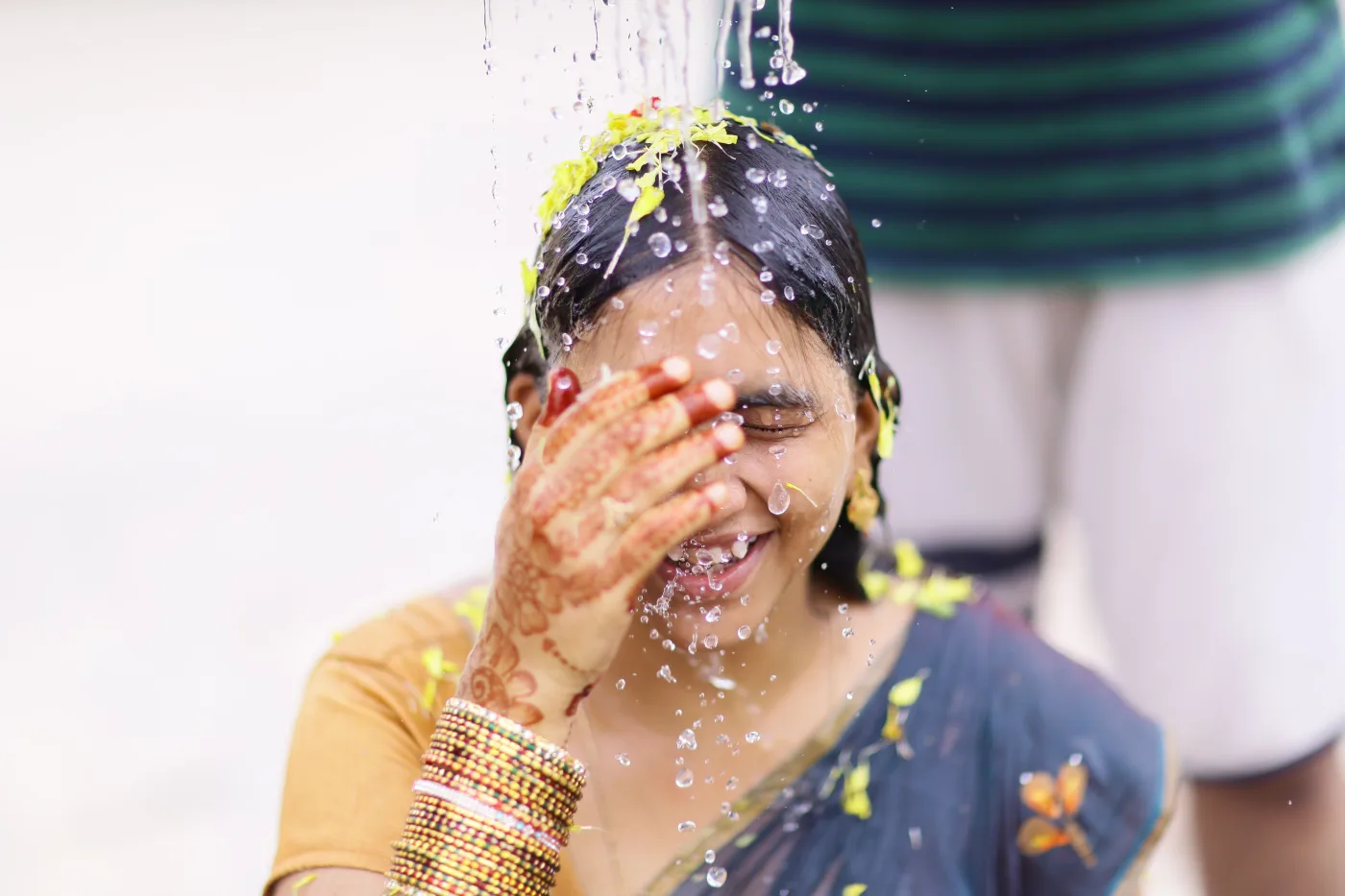
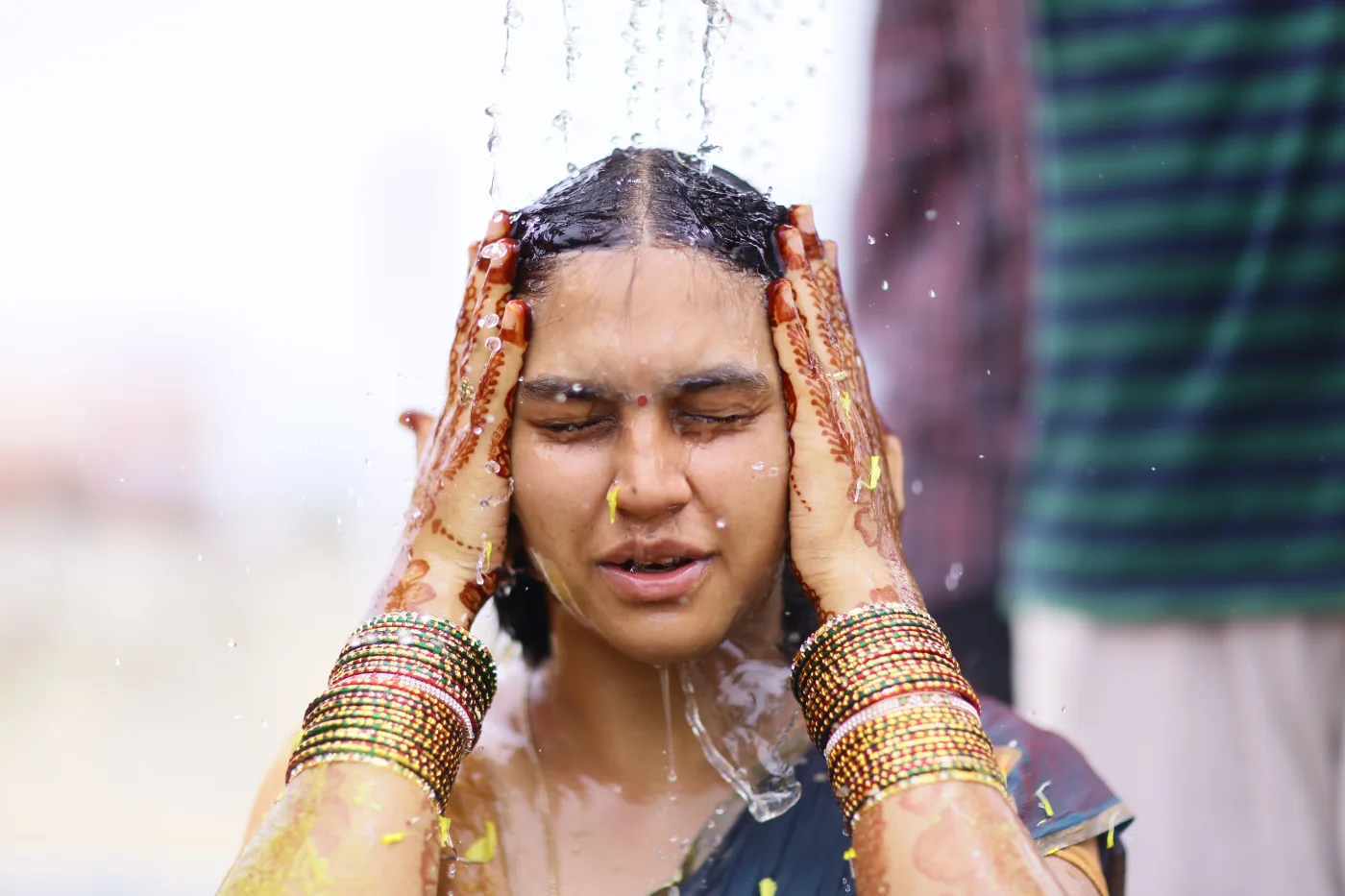
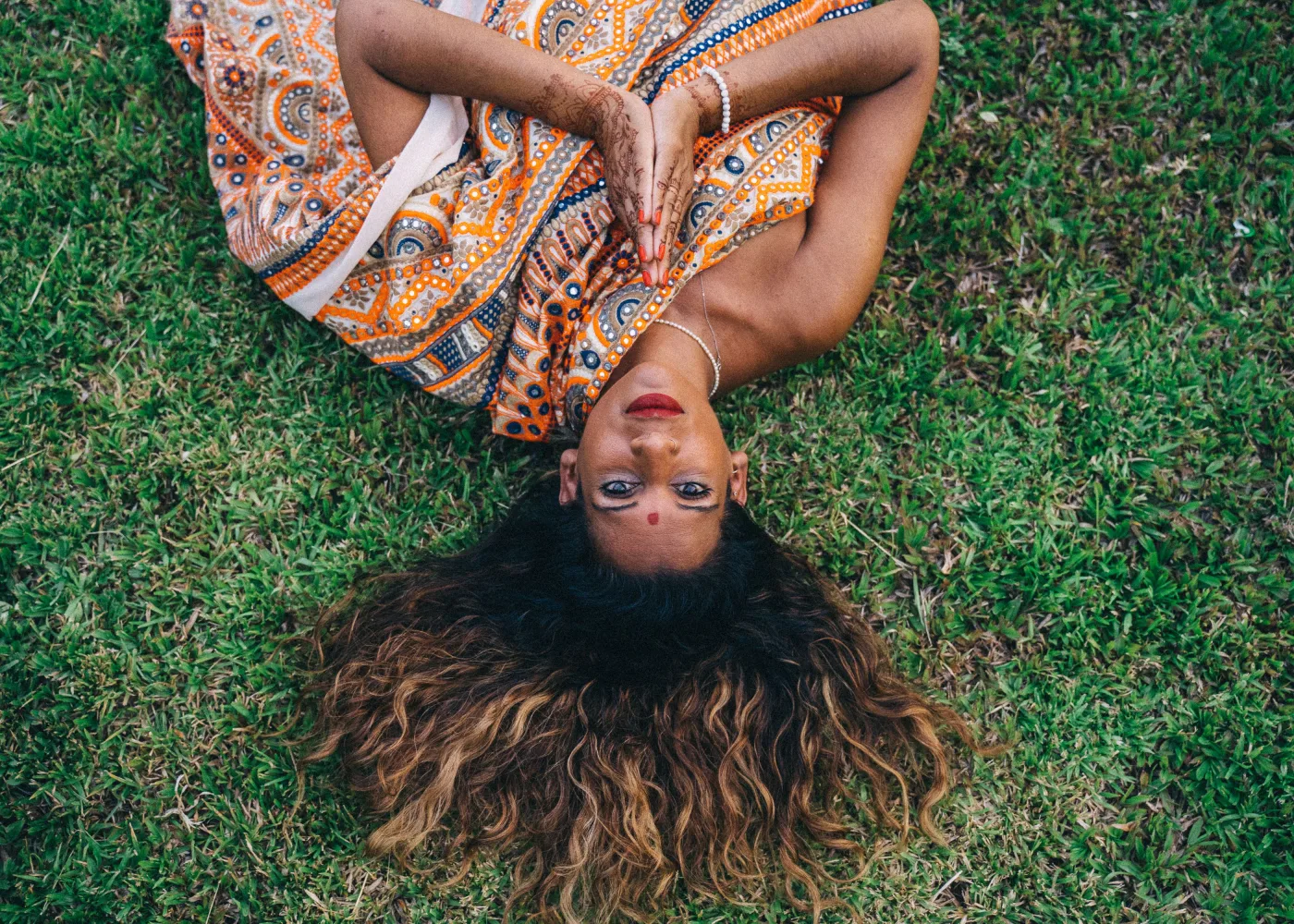
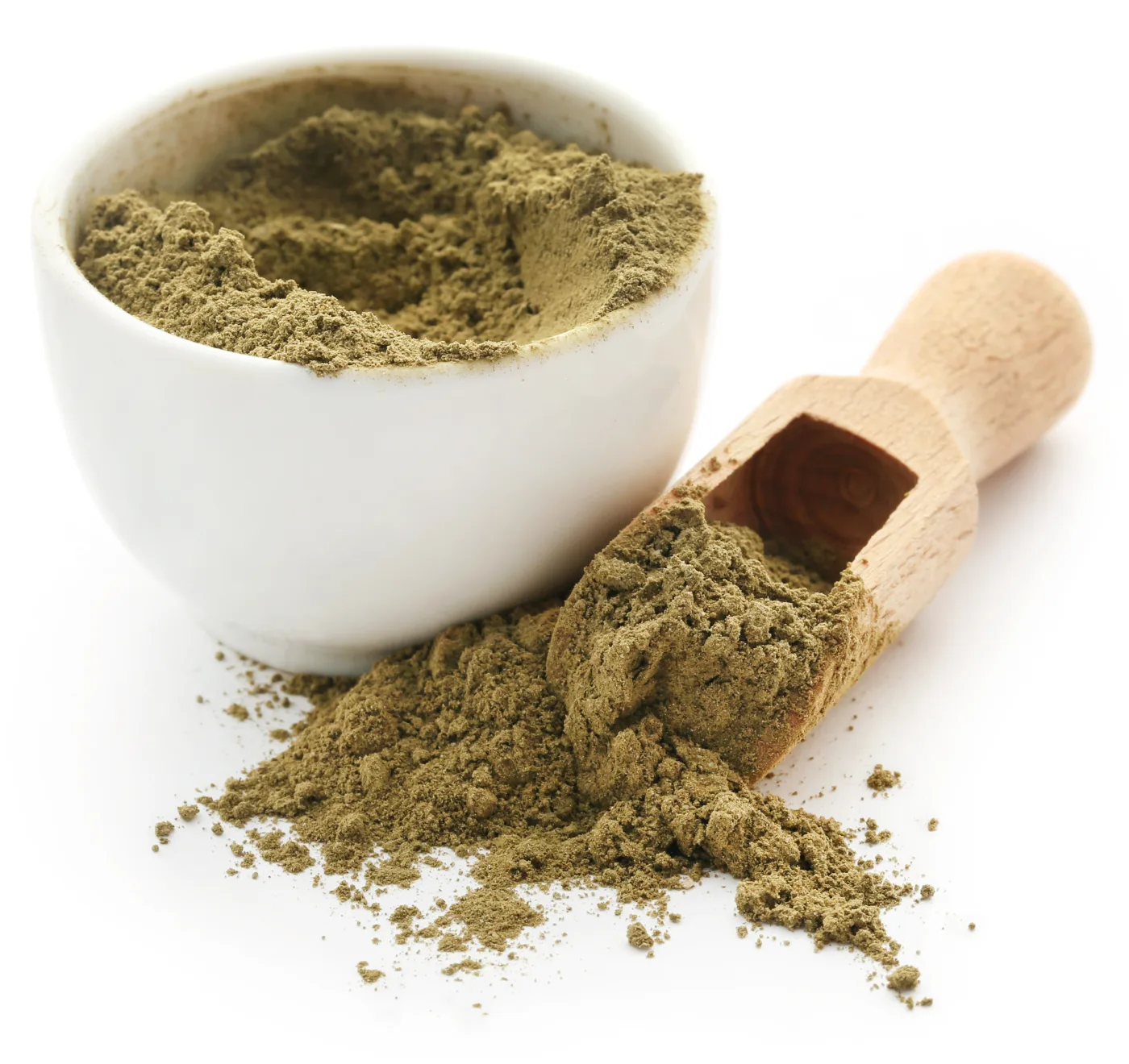



Photos provided by Pexels.
Frequently asked questions
Is henna good for your hair?
For most people, yes, in the sense that pure body-art henna coats the strand, adds shine and body, and contains no ammonia or peroxide. It will not repair damage, and a minority of people, usually those with already dry hair, find repeated use leaves it feeling stiff. It is good for hair health in the way a gentle coating is good, not in the way a deep treatment is. Choose pure henna and moisturise well and it is a low risk colourant.
Can henna lighten hair or make it blonde?
No. Henna is a translucent stain that adds a reddish tone over your existing colour, so it can only make hair the same or darker and warmer, never lighter. There is no lifting step, no bleach and no way for pure henna to produce blonde, ash or any cool shade. If you want to go lighter you need a chemical process, and that is exactly the thing henna makes harder to do afterwards.
How long does henna hair colour last?
It is effectively permanent. Because lawsone bonds chemically to the keratin, henna does not wash out like a semi-permanent dye; it stays until the hair grows out or is cut. The colour may soften a little at the surface but the base tone remains, which is why henna is low maintenance but also hard to remove or change your mind about.
Why can't I just get brown or black from henna alone?
Because lawsone only stains in the red-orange range. Every genuine brown or black result comes from adding another plant, usually indigo, over or alongside the henna. A single product that promises one-step black with no indigo is a red flag, because a true dark plant result is a two-step process, and instant black often means added chemical dye rather than more henna.
Is "black henna" safe to use on hair?
Treat anything labelled black henna with real caution. Pure henna cannot be black, so a black product has almost always had something added, commonly para-phenylenediamine or metallic salts. PPD can cause severe allergic reactions and lasting sensitisation, and metallic salts can react dangerously with later salon colour. Stick to pure henna, optionally with indigo named on the label, and patch test first.
Can I dye or bleach over henna later?
It is difficult and unpredictable. Henna resists ordinary colour removers, does not lift cleanly with bleach, and can turn brassy or even green when you try to lighten it. Many colourists will not chemically process over henna because they cannot guarantee the outcome. If there is any chance you will want to go lighter later, think carefully before committing, and always strand test.
Have a question or a topic to suggest?
We read every message. Tell us what you would like to see next on the blog.
Get in touchYou may also like
Henna Hair Dye: Complete Guide
A complete henna hair dye how-to: choosing pure powder, mixing and dye release, copper to black with indigo, application, the 48-hour oxidation and touch-ups.
Henna Hair Side Effects
A balanced review of henna hair side effects. Pure henna is mostly safe but can dry or stiffen hair; the real danger is compound and black hennas with PPD.
The Chemistry of a Henna Stain
Henna stain science explained clearly: how lawsone bonds to keratin, why the stain starts orange then turns brown, and why palms stain the darkest.