Henna Science
Why Lemon-Sugar? Sealing Henna
The lemon-and-sugar sealant is glue and a sponge, not a dye. Here is what the sugar and lemon each do, how to make and apply it, when it helps, and gentler alternatives.
Almost every henna tutorial reaches the same moment: the design is done, the paste has dried to a crust, and someone dabs it with a sticky mix of lemon juice and sugar. That mix is the lemon sugar henna sealant, and it is one of the most repeated tricks in the whole craft. But it is also one of the most misunderstood. The sealant does not add dye, it does not make weak henna strong, and it is not magic. What it actually does is keep the dried paste stuck to your skin for longer and hold a little moisture against it, so the lawsone in the paste has more time and contact to bond. Here is exactly what the lemon and the sugar each do, how to make and apply the sealant, and when it genuinely helps versus when it is just extra mess.
The short version
- The sealant is a glue, not a dye. Sugar makes the dried paste sticky so it clings to skin.
- It slightly re-moistens the crust so more lawsone can keep transferring instead of flaking off dry.
- Lemon adds mild acidity, which suits henna chemistry, but the acid effect here is small and debated.
- It helps most on long wears and dry, crack-prone designs. On a short two-hour wear it is often overkill.
- Gentler options exist: plain sugar water, a dab of balm, or simply wrapping the design.
What the lemon sugar sealant actually is
The sealant is a thin syrup: a little sugar dissolved in lemon juice, sometimes with a splash of water, brushed or dabbed over a henna design once the paste has dried on the skin. It is not mixed into the paste before application. It goes on top, after the design has crusted, and its whole job is to manage what happens to that crust over the hours you leave it on.
To see why it matters, you have to remember what a drying henna design is doing. The colour comes from lawsone, the red-orange dye molecule in the henna leaf, migrating out of the wet paste and bonding to keratin in the top layer of your skin. That transfer needs the paste to stay in contact and stay a little moist. The problem is that paste naturally dries, shrinks and cracks, and once a flake lifts off the skin it stops depositing any more dye. The sealant exists to fight that drying-out.
The sealant does not push dye into the skin. It stops the paste lifting and drying out too soon, so the lawsone already in the paste has longer to keep bonding.
What the sugar does: it is a sticky humectant
The sugar is doing two jobs, and both are physical rather than chemical. First, once the syrup dries a little it becomes tacky, and that tackiness glues the cracking paste back down against the skin. A design that would otherwise shed in flakes stays fixed in place, keeping every part of the pattern in contact for longer.
Second, sugar is a humectant, a substance that attracts and holds water. Dissolved sugars carry hydroxyl groups that hydrogen bond with water, so a sugary film pulls a little atmospheric moisture toward itself and slows the paste from drying bone-hard. That gentle re-moistening keeps the crust workable instead of powdery, and a slightly damp paste keeps releasing lawsone rather than sealing it up in a dry flake. This is the real engine of the trick: contact plus a touch of moisture, held longer.
The one-line version: the sugar is glue and a sponge at once. It sticks the paste down and keeps it faintly damp, which buys the lawsone more time in contact with your skin. It never adds colour of its own.
What the lemon does: the mild acidity debate
The lemon is the part people argue about. Henna chemistry does like a mildly acidic environment. Dye release from the leaf works best on the acidic side of neutral, which is why so many artists mix the paste itself with lemon juice or tea in the first place. Lemon juice sits low on the pH scale, around pH 2 to 3, so it is firmly acidic.
The honest answer, though, is that by the time you are applying a sealant, the main dye-release work has already happened inside the rested paste. Brushing acid on the outside of an already-applied design has a much smaller and more debated effect than the acid you mixed into the paste hours earlier. Some artists are convinced the lemon sealant deepens their stains; others get identical results with plain sugar water and no lemon at all. What is not in dispute is that overdoing the acid backfires. Too much strong acid can degrade the stain rather than help it, and repeated lemon juice can leave sensitive or broken skin stinging. So if you use lemon, keep it weak and diluted, and treat the acidity as a minor helper, not the reason the sealant works.
Sugar as glue
Tacky when it dries, it re-adheres cracking paste so the whole design stays in contact.
Sugar as humectant
Draws and holds a little moisture, keeping the crust damp enough to keep releasing dye.
Lemon as mild acid
Suits henna chemistry in principle, but its effect once the paste is dry is small and debated.
Lemon overdone
Strong or repeated acid can harm the stain and sting the skin. Keep it weak and diluted.
How to make the lemon sugar sealant
There is no precise recipe, and you do not need one. The aim is a thin syrup that goes on wet and dries slightly tacky, not a thick sticky glaze that runs everywhere.
- Warm two tablespoons of lemon juice gently, just enough to help the sugar dissolve.
- Stir in one to two teaspoons of sugar until it fully dissolves and the liquid is clear.
- Thin it with a little water if it feels syrupy or too sharp. You want it runny, not gloopy.
- Let it cool. Apply it barely damp, never dripping, or it will smear the design.
A weaker, gentler mix leans more on the sugar and less on the acid, which is usually what you want. If your skin is sensitive, cut the lemon further with water or drop it entirely and use plain sugar water.
How to apply it without ruining the design
Timing and touch are everything. Applied too early, while the paste is still wet, the sealant smears the lines. Applied too heavily, it soaks and slides the design out of shape.
- Wait for the first dry. Let the paste crust over first, usually 20 to 30 minutes, so it is set enough not to smear.
- Dab, do not rub. Use a cotton ball or a soft brush and touch it on gently. Never wipe across the lines.
- Go light and reapply. One or two thin coats over the wear beats a single heavy soak. Let each coat go tacky before the next.
- Stop before it drips. If the design starts to shine wet or slide, you have used too much.
Wrap after sealing for long wears: once the sealant is tacky you can loosely wrap the design in tissue or a breathable bandage. Between the sticky film and a light wrap, the paste stays put and faintly warm overnight, which is when the deepest stains are made. Avoid airtight plastic against skin for hours, which traps sweat and can lift the design.
When it helps and when it is overkill
The sealant earns its place in specific situations and adds nothing in others. Knowing the difference saves you time and mess.
| Situation | Sealant worth it? | Why |
|---|---|---|
| Long overnight wear (6 to 10 hrs) | Yes | Keeps paste stuck and damp through the hours that matter most. |
| Dry room or air conditioning | Yes | Paste cracks fast in dry air; the humectant film slows it. |
| Large or intricate bridal design | Yes | More surface to crack and lift, so more to gain from holding it down. |
| Quick 1 to 2 hour wear | Usually not | Paste barely dries out in that time, so there is little to seal. |
| Already humid, warm climate | Often not | The air is doing the humectant's job for you. |
| Very sensitive or broken skin | Skip the lemon | Acid can sting; use plain sugar water or nothing. |
Where the sealant makes a difference across a wear
Rough share of the extra colour benefit, by wear length. On short wears there is little to gain.
Gentler alternatives to lemon and sugar
The sealant is a tradition, not a rule. Anything that keeps the paste stuck and slightly moist achieves the same goal, and several options are kinder to the skin.
Plain sugar water
All the stickiness and humectant benefit of the classic mix, none of the acid sting. The best default for sensitive skin.
Diluted lemon only
Skip the sugar and just mist a weak lemon-water mix to keep the crust from going powder-dry.
Balm or butter
A thin smear of a natural balm over the dried paste holds moisture in. Use sparingly so it does not smear lines.
Just wrap it
Loosely wrapping a design in tissue keeps it warm and stuck with no liquid at all. Often enough on its own.
None of these change the underlying chemistry. As we explain in our breakdown of the science of how henna stains skin, the colour is set by how much lawsone bonds to your keratin, and every sealant, wrap or balm is just a way to keep that reaction going a little longer. They cannot rescue a paste that was weak to begin with.
What the sealant cannot do
It is worth being blunt about the limits, because the lemon sugar mix gets credited with things it simply does not do. It does not add pigment, so it cannot make a pale stain dark. It does not fix a paste that was mixed badly or never rested long enough to release its dye. And it does not speed up the oxidation that turns the stain from orange to brown over the following days, which happens on its own after the paste comes off.
If your henna keeps coming out light despite sealing, the cause is almost always somewhere else: a weak or stale paste, too little wear time, thin skin, or judging the colour too early before it has matured. We walk through all of those in why your mehndi did not go dark, and the genuinely effective habits, warmth, wear time and clean aftercare, are collected in our guide to darkening your mehndi safely. The sealant is a useful supporting player in all of that. It is not the star.
Henna in pictures
A few real examples worth saving. Screenshots communicate far better than words, so take the ones you like to your artist.

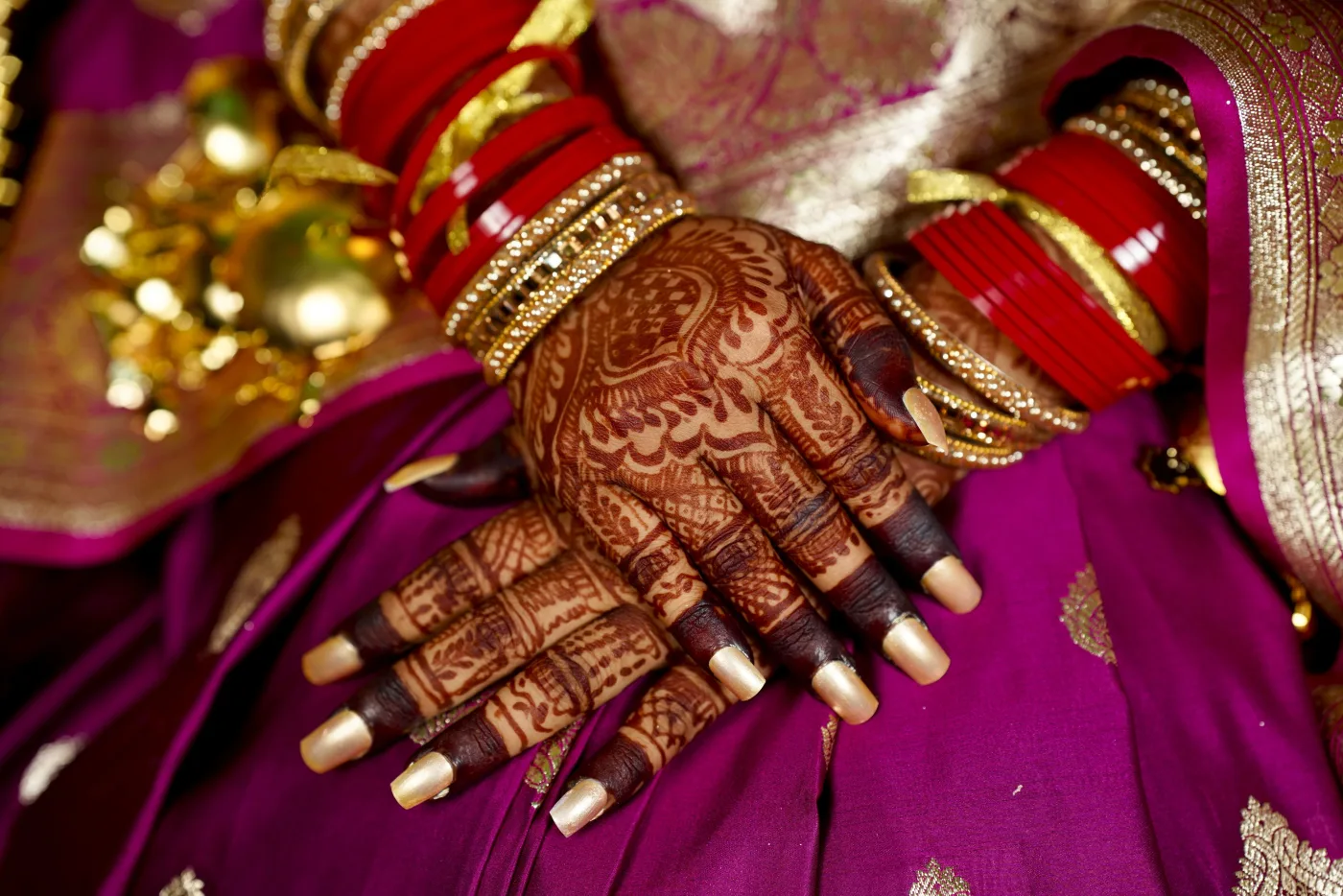
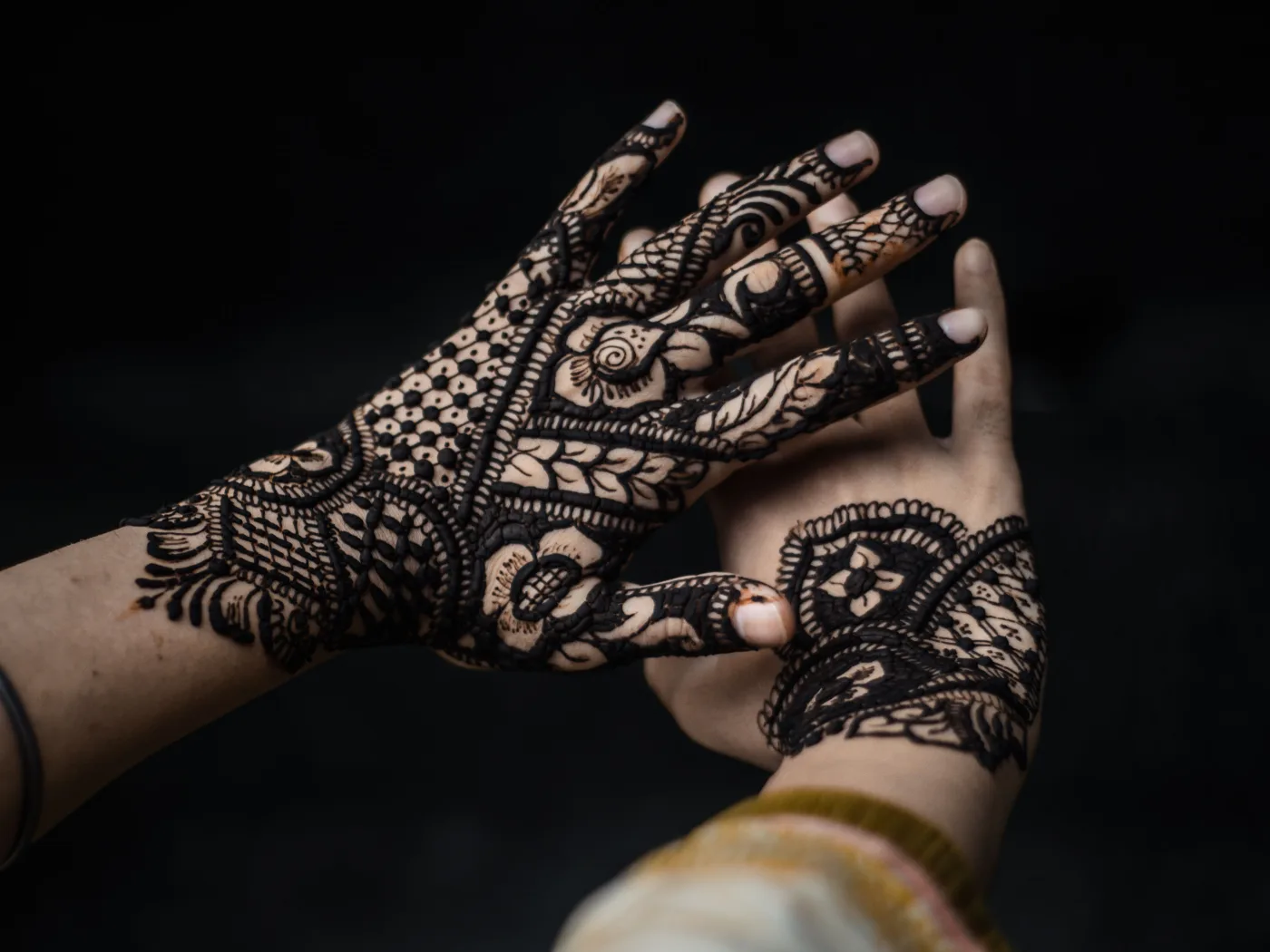
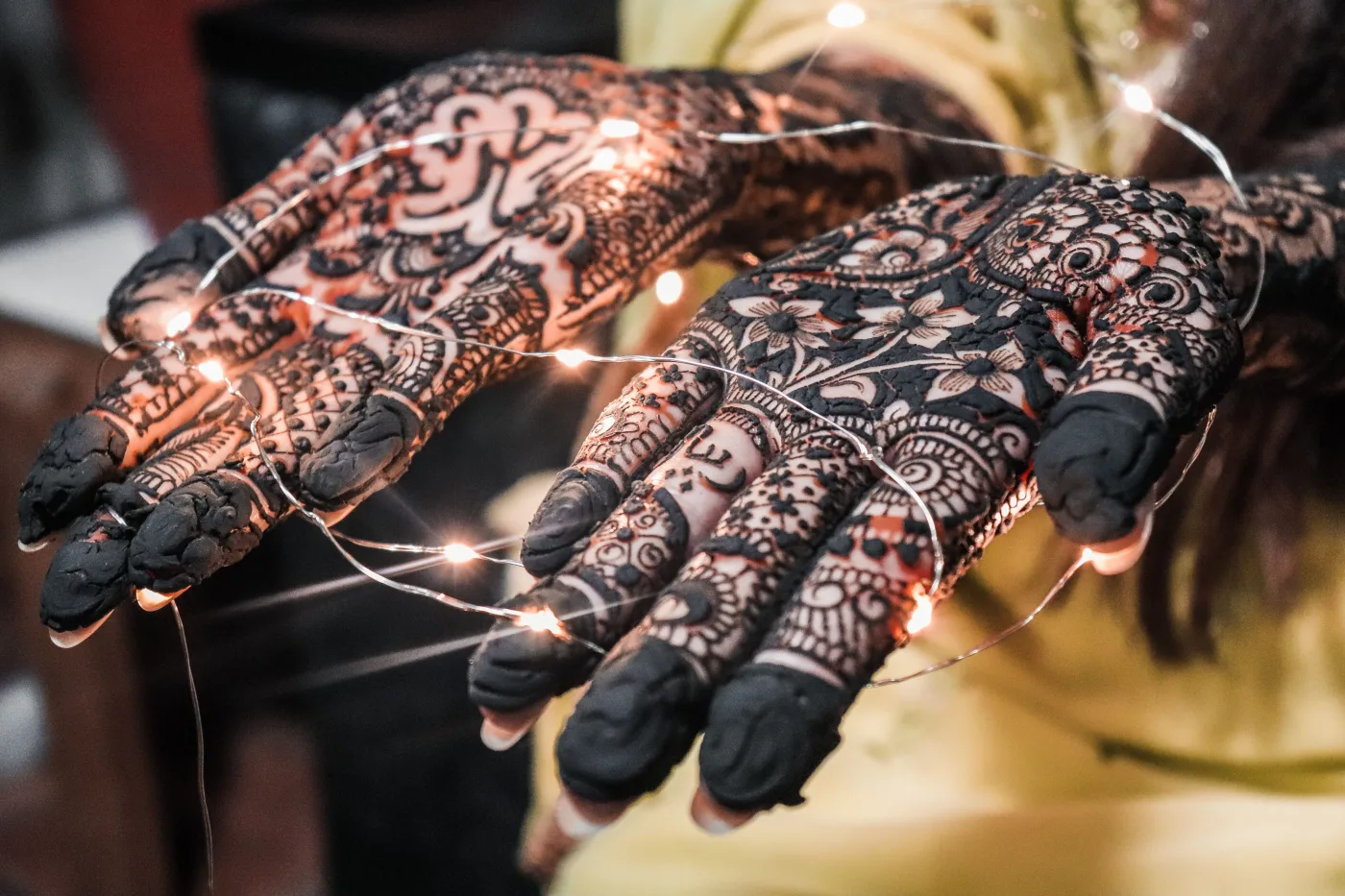
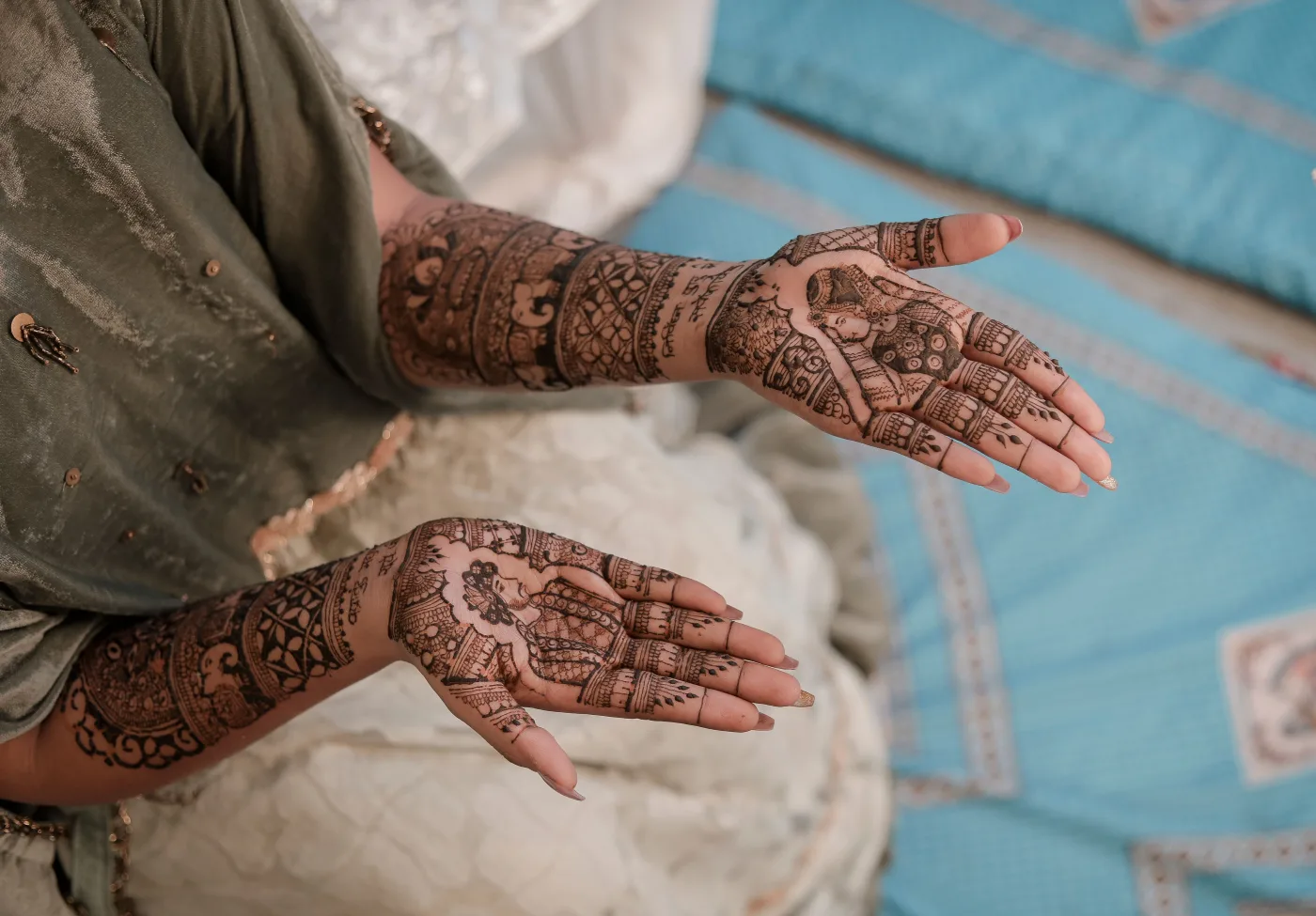

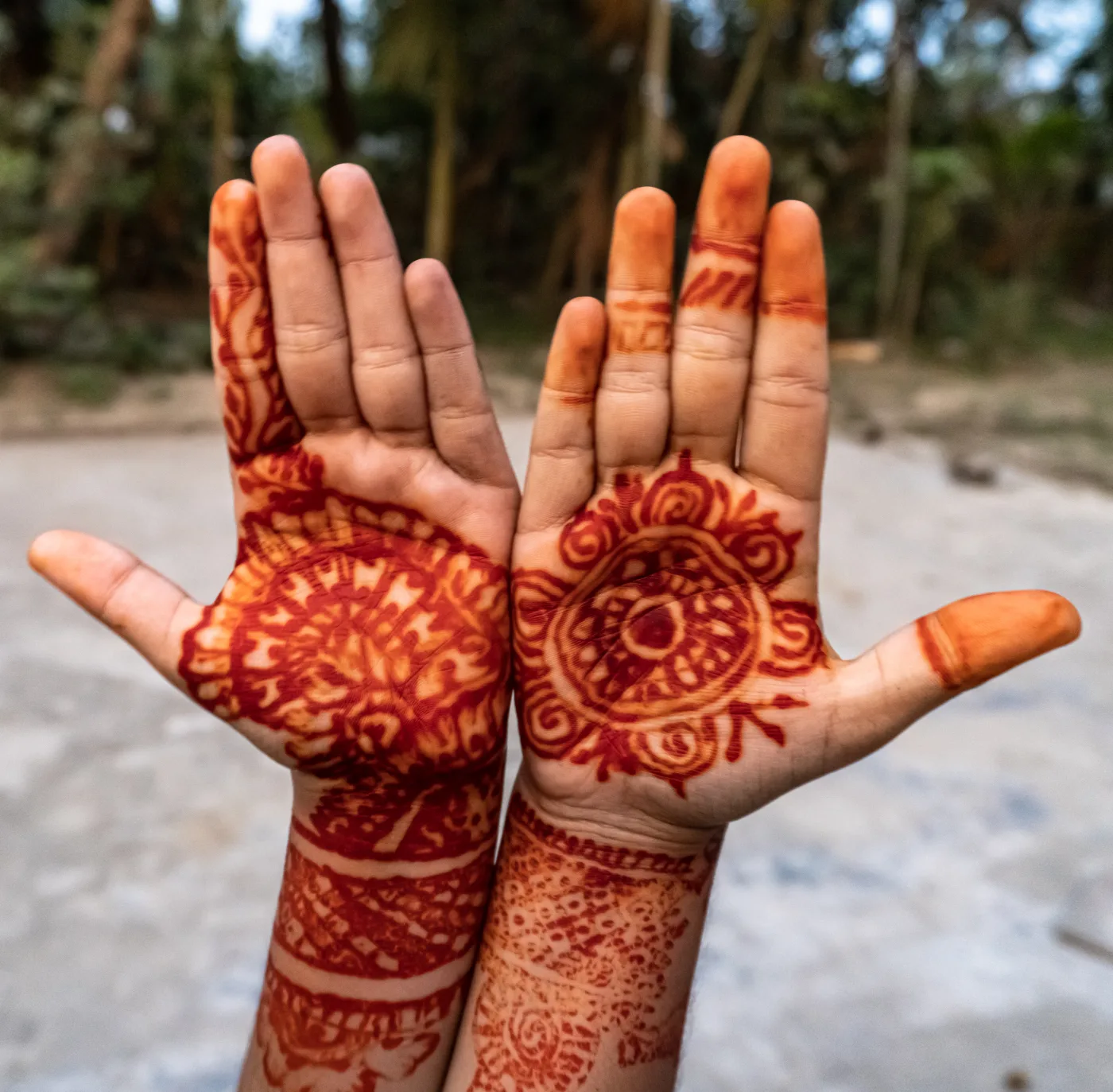
Photos provided by Pexels.
Frequently asked questions
Does lemon and sugar actually make henna darker?
Indirectly, yes, but not by adding any colour. The sugar makes the dried paste sticky so it stays glued to your skin, and it holds a little moisture so the paste keeps releasing lawsone instead of flaking off dry. That extra contact time is what can deepen the stain. The lemon adds mild acidity that suits henna chemistry, but its effect once the paste is already dry is small and debated. The sealant never adds pigment, so it cannot rescue a weak paste.
When should I put the lemon sugar sealant on?
Wait until the paste has crusted over, usually 20 to 30 minutes after applying, so it is set enough not to smear. Then dab it on gently with a cotton ball or soft brush, never rubbing across the lines. Use one or two thin coats rather than a single heavy soak, and stop before the design looks wet or starts to slide.
Do I have to use lemon, or can I skip it?
You can skip it. Plain sugar water gives you the stickiness and the moisture-holding benefit without any acid, and many people get the same results that way. Lemon is worth including only in a weak, diluted form, and it is best avoided entirely on sensitive or broken skin, where the acid can sting. The sugar is doing most of the useful work.
Is the lemon sugar sealant always worth using?
No. It helps most on long wears, dry rooms, and large designs, where the paste would otherwise crack and lift before it has finished transferring dye. On a quick one or two hour wear, or in a warm humid climate, the paste barely dries out, so the sealant adds little beyond extra stickiness and mess. Match it to the situation rather than using it out of habit.
Can too much lemon damage the stain?
Yes. A mildly acidic environment suits henna, but strong or repeated acid can degrade the stain rather than deepen it, and it can irritate the skin. That is why the sealant should be weak and diluted, not neat lemon juice. If you find yourself reapplying a sharp lemon mix again and again, you are more likely to harm the result than help it.
Should I wrap the design after sealing it?
For long or overnight wears, loosely wrapping the sealed design in tissue or a breathable bandage helps keep the paste warm and stuck through the hours when the deepest colour forms. Avoid airtight plastic pressed against the skin for a long time, which traps sweat and can lift the paste. A light, breathable wrap over a tacky sealant is the sweet spot.
Have a question or a topic to suggest?
We read every message. Tell us what you would like to see next on the blog.
Get in touchYou may also like
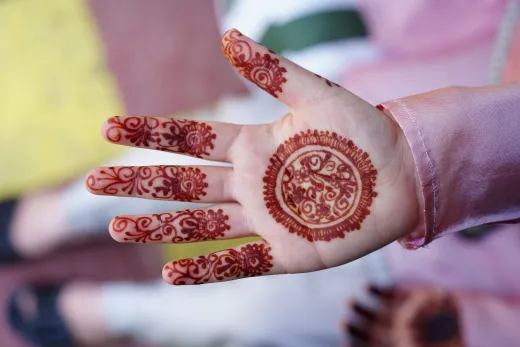
How to Make Mehndi Darker: 12 Tricks
Want a deeper henna stain? Here are 12 evidence-based ways to darken mehndi, from fresh paste and terpene oils to 8-hour timing and warm aftercare.
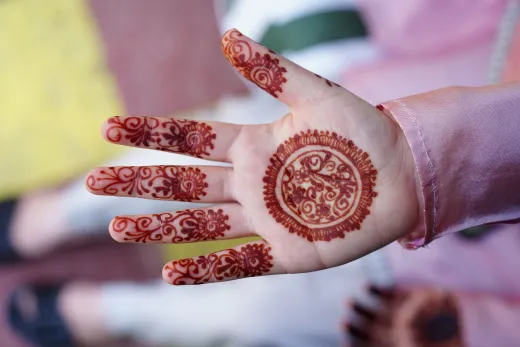
The Chemistry of a Henna Stain
Henna stain science explained clearly: how lawsone bonds to keratin, why the stain starts orange then turns brown, and why palms stain the darkest.
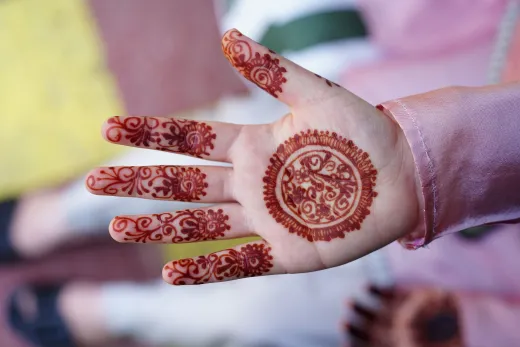
Why Isn't My Mehndi Dark?
Weak henna stain? The real causes of a light mehndi colour, from short paste-on time to old powder and early washing, each with the fix.