Bridal
Bridal Mehndi Price Guide: What Artists Charge
Quotes range from a few thousand to over a lakh. Here is what you are actually paying for.
Bridal mehndi quotes range from a few thousand rupees to well over a lakh, and brides are rarely told why. The honest answer is that you are not buying a design, you are buying an artist's hours, and everything that moves the price moves it through that one number. Here is what artists actually charge, what changes the figure, and how to tell a fair quote from a bad one.
The short version
- You are buying time. Most quotes work out to an hourly rate in disguise.
- Coverage drives cost more than style: wrist, elbow or full arm.
- Season doubles rates. Peak wedding months carry a real premium.
- Book 2 to 4 months ahead. The best artists sell out first, not last.
1. What bridal mehndi actually costs
The table below reflects typical quoted ranges for a bride's own hands and feet, not guest mehndi. Treat it as a sanity check rather than a fixed price list: an artist's reputation and your city move these numbers more than anything else.
| Package | Coverage | Typical hours | Common range (PKR) |
|---|---|---|---|
| Minimal / nikah | Palms + light finger work | 1 - 2 | 5,000 - 12,000 |
| Standard bridal | Hands to wrist, feet to ankle | 3 - 4 | 15,000 - 35,000 |
| Full bridal | Hands to elbow, feet to mid-calf | 5 - 7 | 35,000 - 80,000 |
| Signature artist | Full, portraits, custom motifs | 7 - 10 | 80,000 - 200,000+ |
| Guest mehndi (per head) | One hand, quick design | 0.15 - 0.3 | 500 - 2,000 |
Two things surprise most people. First, guest mehndi is often billed per head and adds up fast at a large mehndi night. Second, the jump from "standard" to "full" is mostly forearm coverage, which is slow, detailed work on an awkward surface.
2. What actually moves the price
When two quotes differ by triple, it is almost never the henna. It is these five things.
Relative impact on your final quote
How much each factor typically swings the number, based on how artists build quotes.
Materials are almost irrelevant to what you pay. A bridal set uses maybe a few hundred rupees of paste. If an artist justifies a high quote by talking about "premium cones", ask about hours instead. If they justify a low quote the same way, ask what they are leaving out.
Coverage, drawn
Coverage is measured in how far up the arm the work travels. This is the single number that decides your bill.
Each step up the arm roughly doubles the hours, and the hours are what you pay for.
3. Season is not a minor detail
Wedding season compresses demand into a few months. A good artist can only work one bride per day, sometimes two, so the calendar does the pricing for them. The same artist, same design, can cost noticeably more in peak weeks, and the genuinely in-demand ones stop quoting at all because they are full.
Booking pressure through the year
Roughly how hard it gets to book a sought-after artist, by season.
4. Questions to ask before you pay a deposit
Most bridal mehndi complaints trace back to something that was never agreed in writing. Ask these:
- How many hours are you booking for me? The honest unit of the job.
- Exactly how far does coverage go? "Full hands" means different things to different artists.
- Is guest mehndi included, or per head? This is the classic surprise on the invoice.
- What paste do you use, and when was it mixed? Fresh, natural paste. No instant black.
- What happens if you are double-booked? Ask who the backup is, in writing.
- Deposit, balance and cancellation? Get the numbers and dates on paper.
One non-negotiable: never accept a paste that promises instant black colour. Natural henna stains orange first and matures to deep brown over one to two days, because the lawsone in the leaf needs hours to bind to your skin. A cone that goes black on contact usually contains para-phenylenediamine (PPD), a dye additive that can cause serious skin reactions, and a bridal booking is the worst possible time to discover you react to it. A good artist will tell you this before you ask.
5. What each budget actually looks like
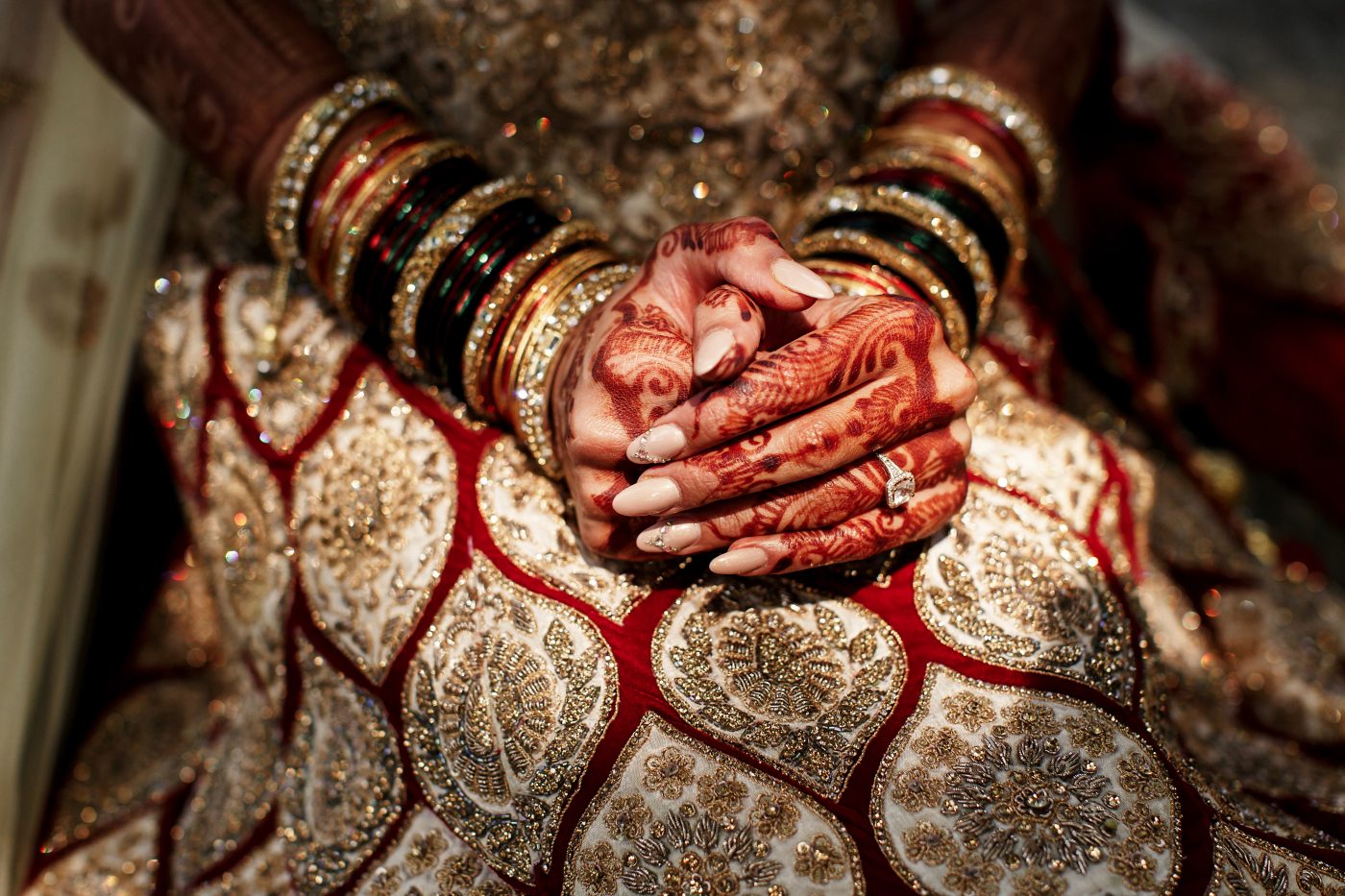
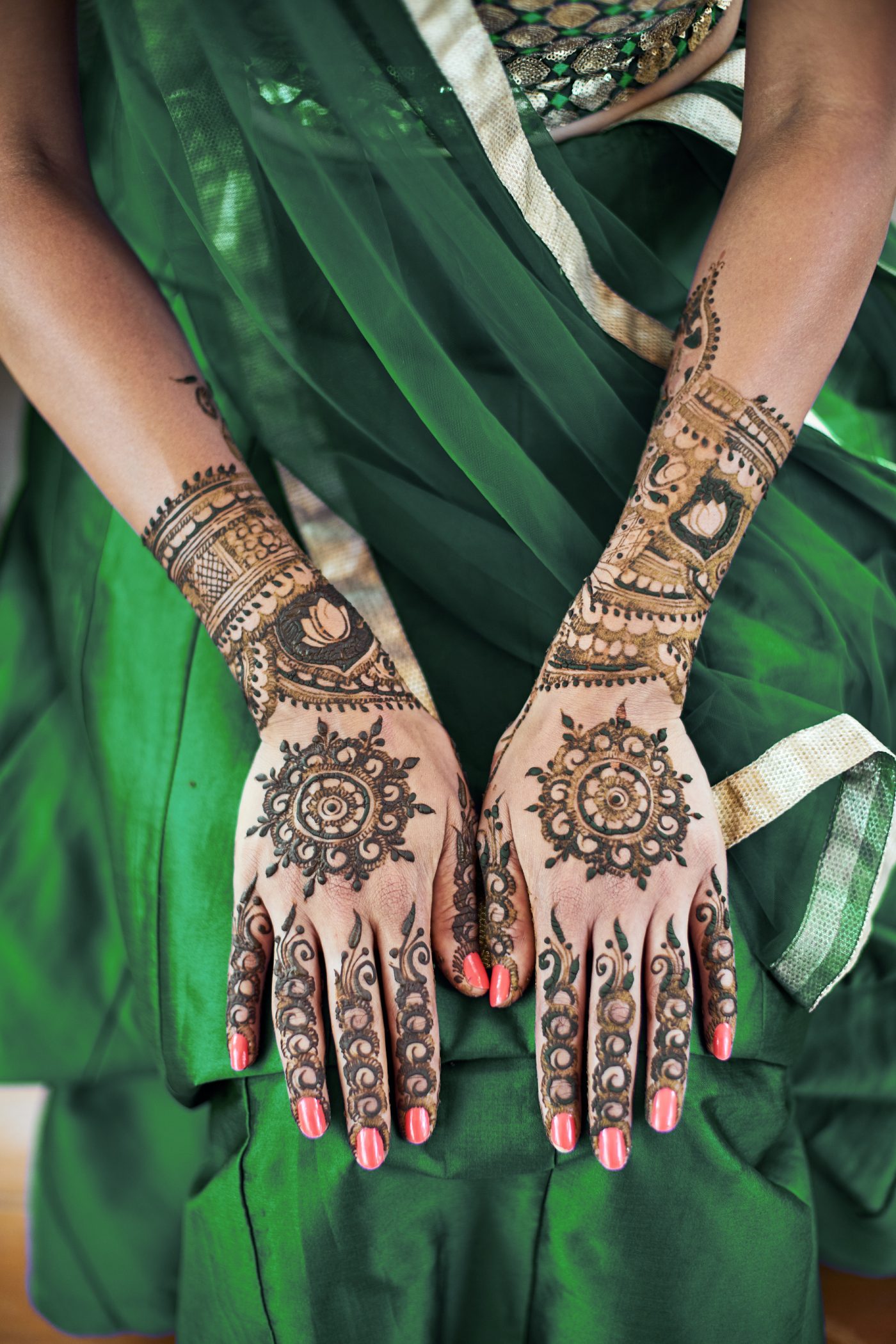
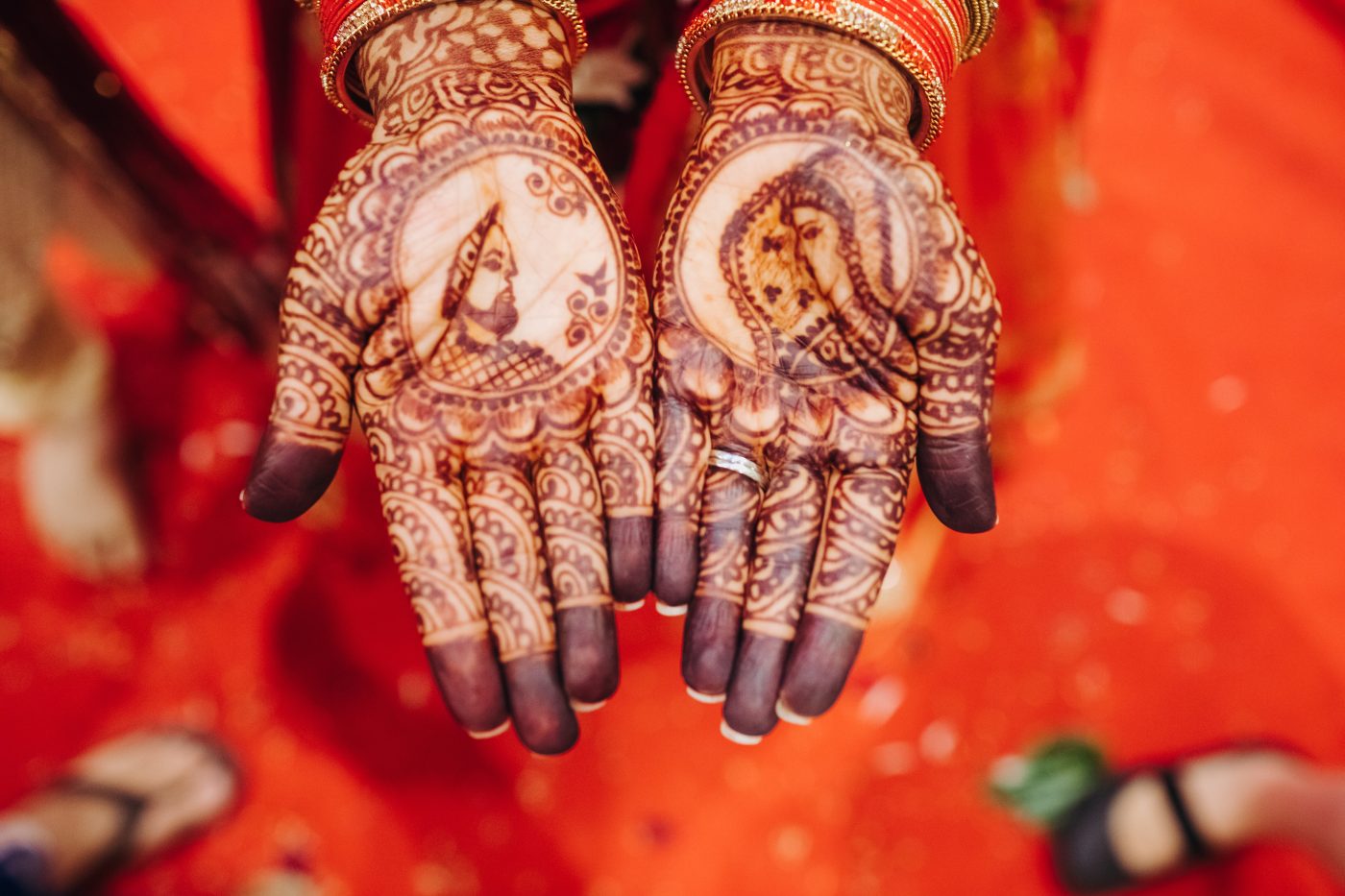
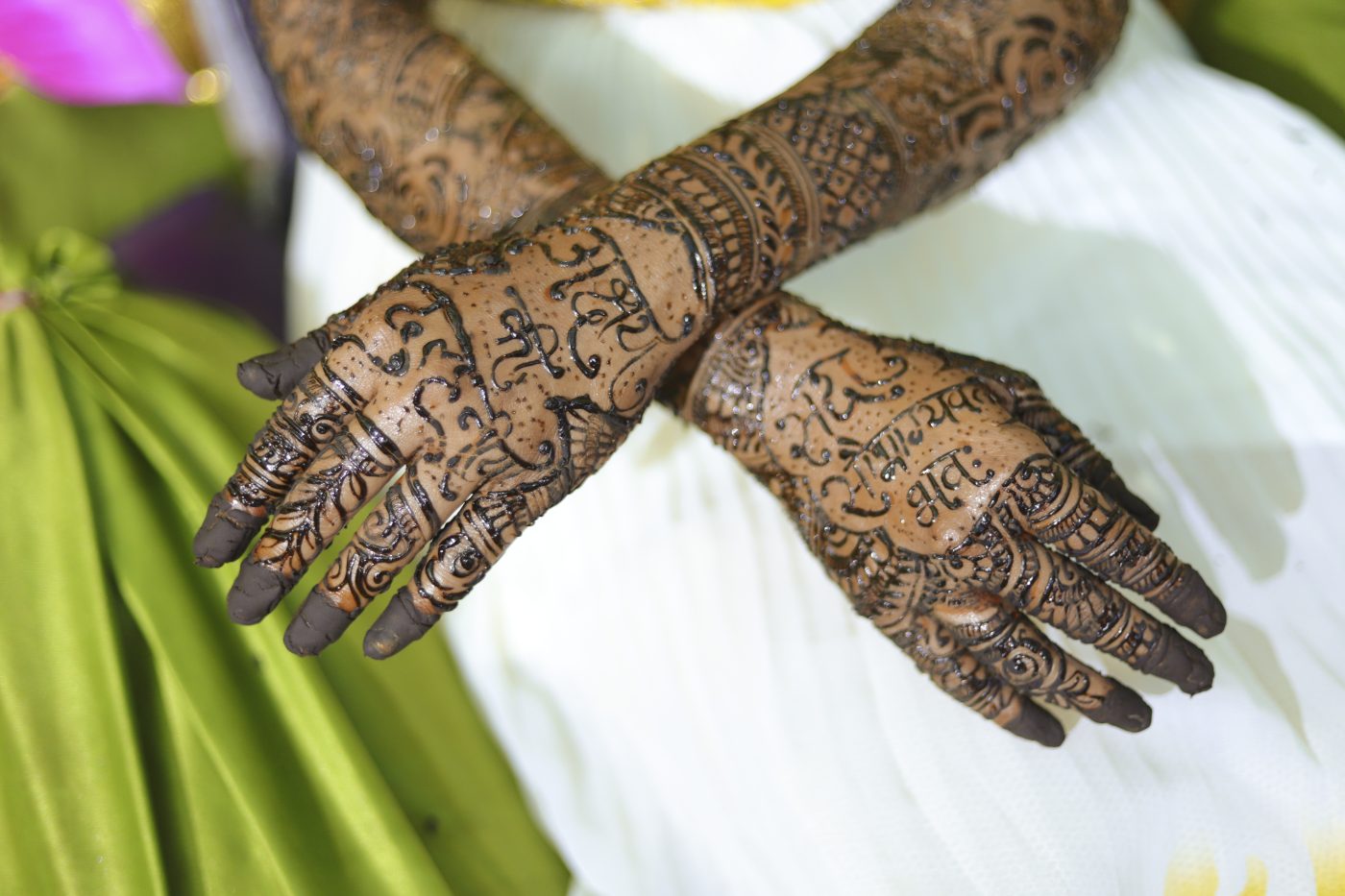
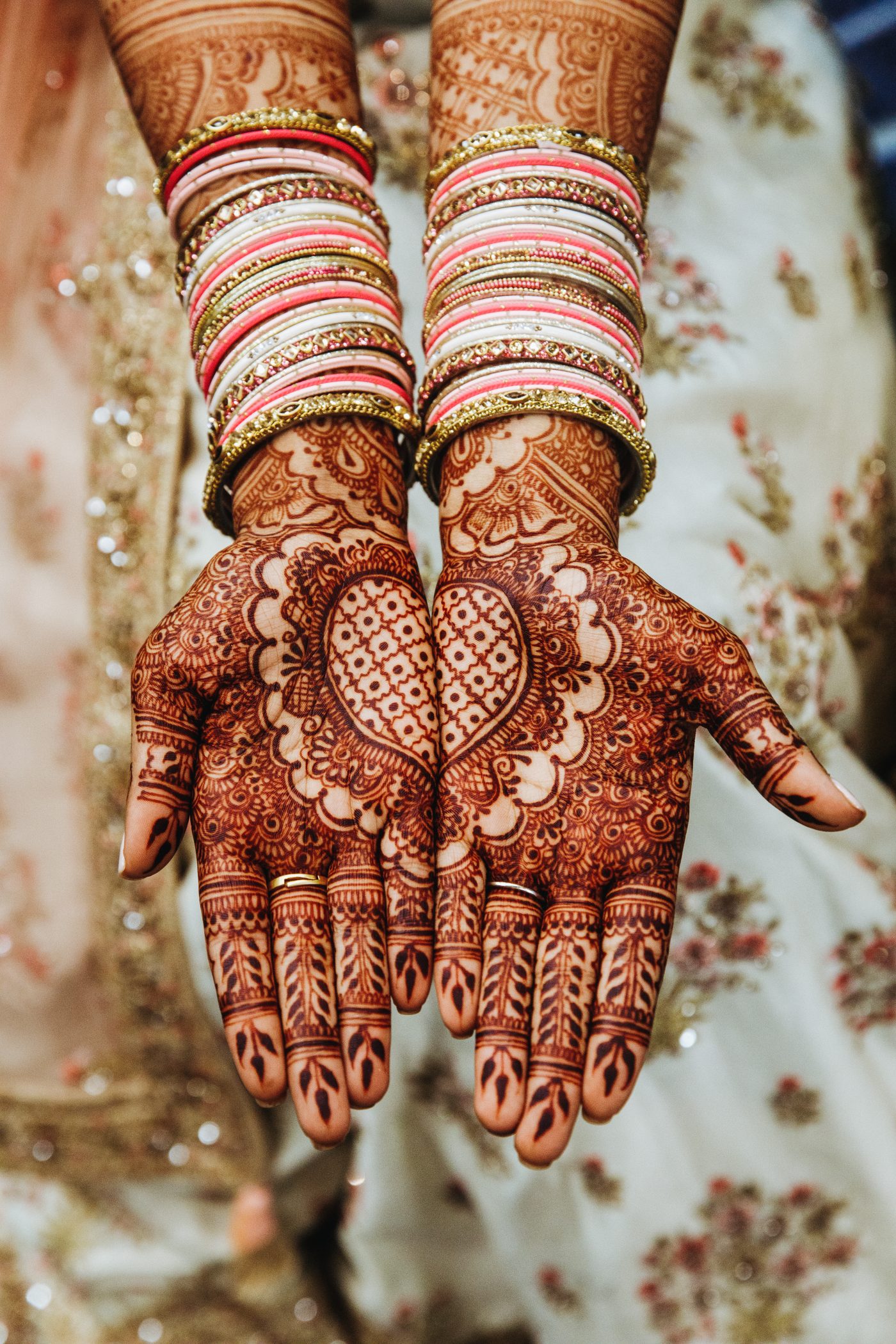
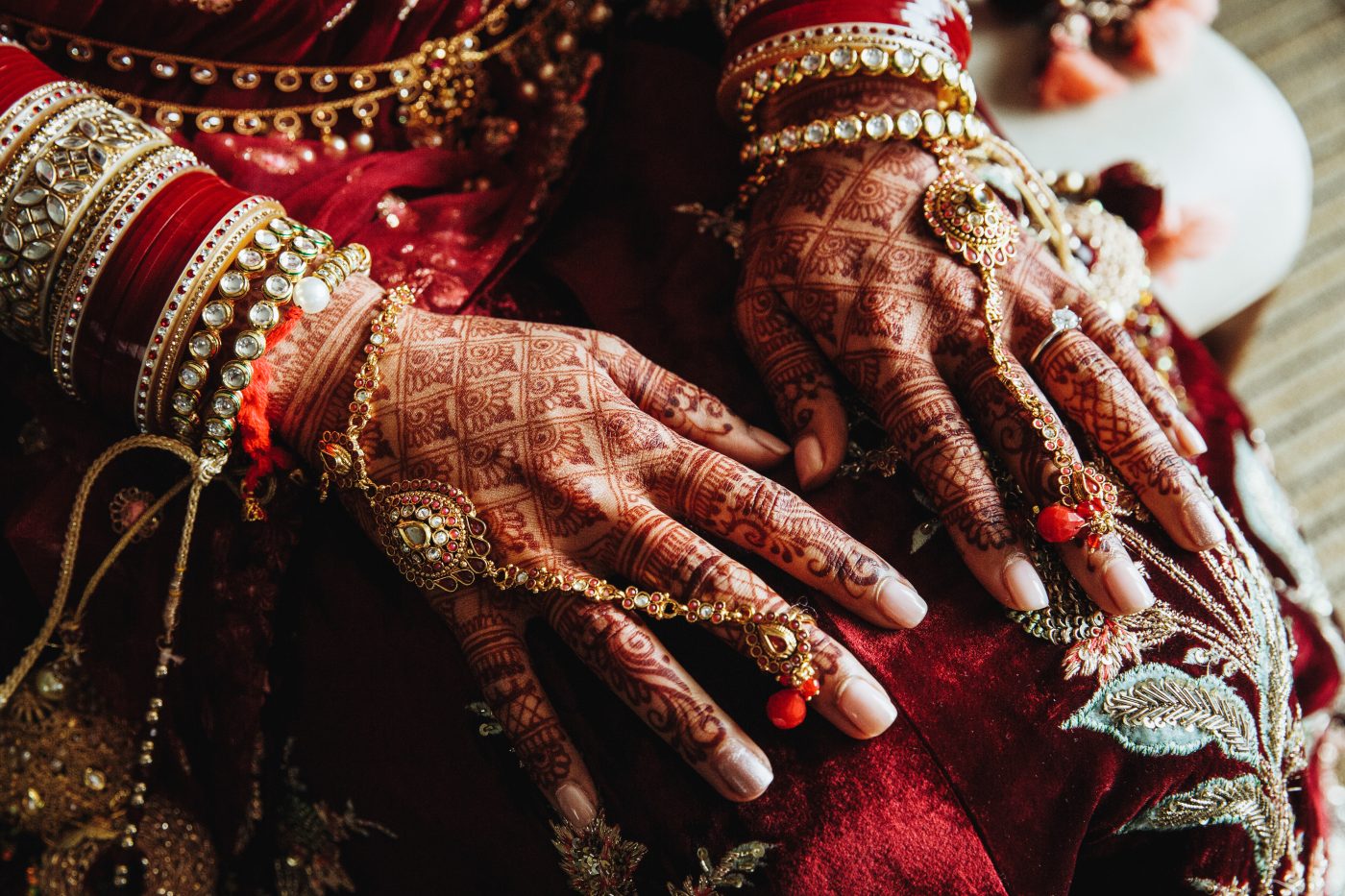
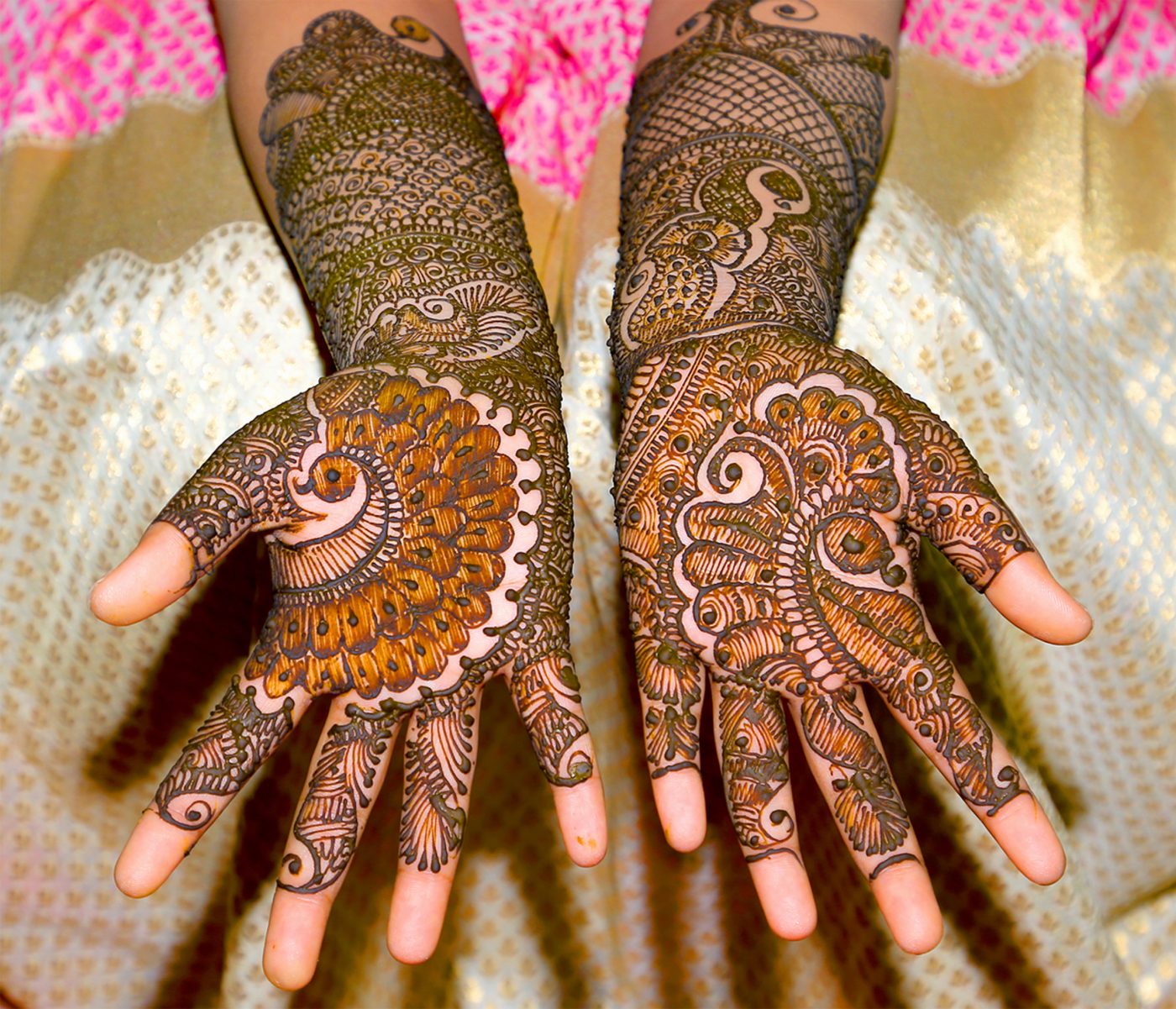
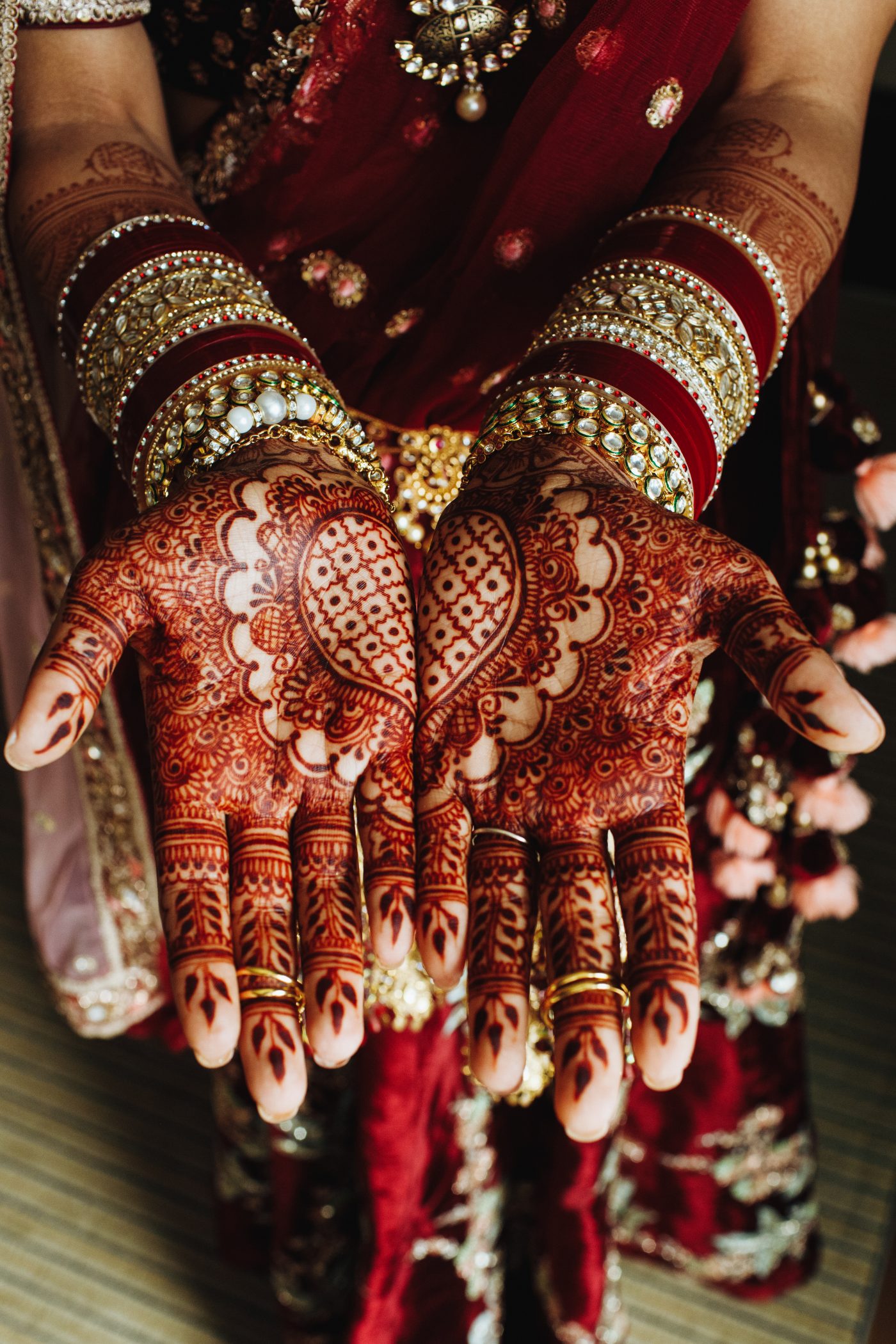
Quotes make more sense once you can see the work. These are real bridal sets across the range of coverage described above. Save the ones close to what you want and show your artist, because a picture settles the "how far up the arm" question in seconds.
6. Is a signature artist worth it?
Sometimes. You are paying for reliability as much as artistry: someone who turns up on time, finishes on schedule, and has done this on a wedding day two hundred times. That matters more than most brides expect, because mehndi sits on the critical path of the whole event. If your design is relatively simple, though, that premium buys you less than it would on a dense, portrait-heavy full bridal set.
Decide the design first, then the budget. If you have not settled on a style yet, our guide to simple Arabic mehndi designs explains why style choice is really a time choice, and time is the bill.
6. Budgeting the whole day, not just the bride
| Line item | Often forgotten? | Notes |
|---|---|---|
| Bride's mehndi | No | The headline number everyone quotes |
| Guest mehndi | Yes | Per head, scales with your guest list |
| Second artist | Yes | Needed if guests are many and time is short |
| Travel / home visit | Sometimes | Ask whether it is included |
| Late-night surcharge | Yes | Common when the function runs over |
The bottom line
A fair bridal mehndi quote is one where the hours, the coverage and the guest arrangement are all written down before you pay. Once you know it is really an hourly business, the range stops looking mysterious and starts looking like a calendar. Decide your coverage, book early, and get it in writing.
Curious where this tradition came from in the first place? Read the history of mehndi, or get in touch if you would like us to feature your work.
Have a question or a topic to suggest?
We read every message. Tell us what you would like to see next on the blog.
Get in touchYou may also like
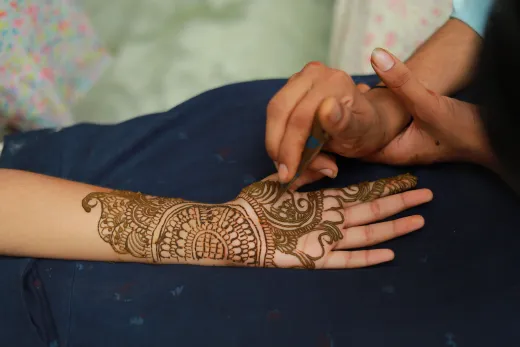
How to Choose a Bridal Mehndi Artist
A practical guide to choosing a bridal mehndi artist: where to find them, how to read a portfolio, compare quotes fairly, check hygiene, and book the right one.
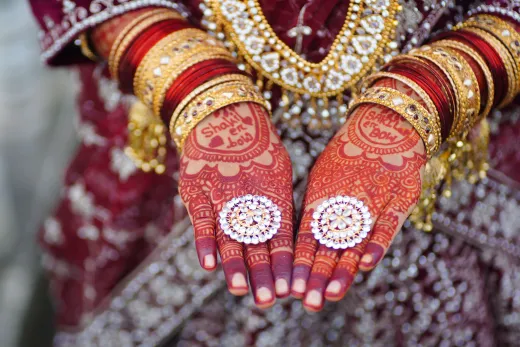
How Long Does Bridal Mehndi Take?
Bridal mehndi takes 3 to 8 hours to apply, plus 6 to 8 hours drying and a day to darken. A realistic timeline by coverage, and when to book it.
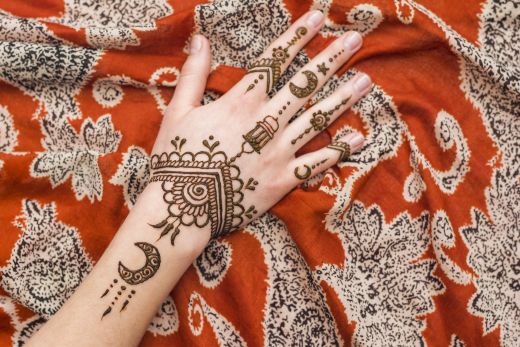
Simple Arabic Mehndi Designs
Simple Arabic mehndi designs explained: the five motifs, the layouts worth copying, how long each takes, and how Arabic differs from Indian and Pakistani work.